Photo Credit: Church of England
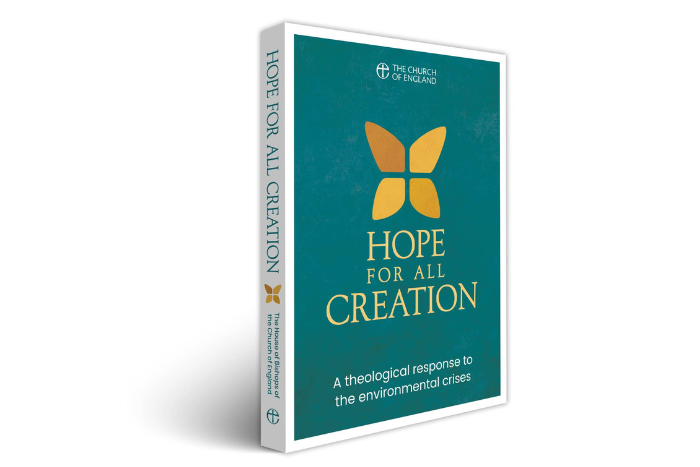
During the Church of England’s General Synod, on Sunday 12 July, a major new teaching document from the House of Bishops was approved and published, titled Hope for All Creation: A Theological Response. The resource sets out a Christian understanding of the environmental crises facing the world and invites people of faith to ‘See, Reflect and Respond’.
According to the Church of England, ‘the document argues that care for creation is not an optional concern but a core part of Christian discipleship and mission. It presents environmental action as an expression of hope rooted in God's purposes for creation, highlighting the Church's role in responding to ecological crises alongside people of good will across society and around the world.’
Introducing the presentation about Hope for All Creation at Synod was the Rt Revd Robert Innes, Bishop of Gibraltar (Diocese in Europe) and Chair of the Church of England Faith and Order Commission. Bishop Robert said the document was intended to help shape the life of the Church through study, discussion and action, and argued that environmental challenges require both practical and spiritual responses.
‘The book Hope for All Creation is intended not just to be read but to be studied and discussed, to shape our corporate ethos, change our behaviour and lead to action,’ he said. ‘Hope has been described as the future dimension of faith, and these are issues that are fundamentally spiritual, which is why the response of our church and other churches is crucial.’
Regarding the new resource, the Rt Revd Graham Usher, Bishop of Norwich and Chair of the Church of England Environment Working Group, said the document offers a Christian response to environmental challenges rooted in hope, creation and spiritual transformation.
‘I think Hope for All Creation will really help us as a Church, and be both an ecumenical gift and a gift to other faith communities, to reflect on how we care for this single island planet home,’ he remarked. ‘The top environmental problems are selfishness, apathy and greed, and to deal with those issues we need a spiritual and cultural transformation.’
A youth member from the Diocese of Blackburn, Mr William Leeming, spoke at the Synod from the experience of his farming family and highlighted the concern many young adults feel about the future and the need for practical action.
‘We are noticing wetter winters and warmer summers, he said. ‘The unusual hot and dry climate we experienced last year resulted in a small yield of grass in the summer and limited silage storage over winter. I think the book Hope for All Creation reflects a lot of how I feel about our current climate crisis.
‘We cannot continue to tick empty boxes as a self-satisfaction to combat serious issues. We need hands-on action.’
Others who joined in welcoming the resource as a holistic collaboration between science and faith included Mike Royal, General Secretary of Churches Together in England, the Revd Dr Jill Duff, Suffragan Bishop elect of Lancaster in the Diocese of Blackburn and Ms Wahida Shaffi, an inter faith guest, who commended the inclusion of voices from different faith traditions in Hope for All Creation and said the themes of the resource resonated strongly with Islamic teaching on stewardship, responsibility and care for the Earth.
Alongside the publication of Hope for All Creation, the Synod also heard an update from the Church of England's Net Zero Carbon Programme and gave final approval to a new annual Festival of Creation in Christ, to be celebrated in Church of England churches on the first Sunday of September.
The Church of England shared that ‘the new Festival is one of the fruits of a growing ecumenical movement across churches worldwide and offers an opportunity for Christians to give thanks for God's creation and redemption of the world, reflect on humanity's responsibility to care for the natural world and pray for its renewal’.
Learn more about the conversation around creation care at the Church of England’s July Synod.
See the resource Hope for All Creation in English.
Read about the Church of England's Net Zero Carbon Programme.
The Church of England is one of the Member Churches of the worldwide Anglican Communion. Discover how Anglicans around the world are responding to the environmental crisis.